Android Map | Article Map
Bustan Initiative | Nof HaGalil

Welcome to Bustan Shared Society: Building Community and Connection

Details
Written by: Abigail Klein Leichman
Read Time: 5 mins

During war, Arabs and Jews jointly patrol their shared city


Israel21c.com

The bicultural teams of volunteers monitor for signs of any tensions bubbling below Nof HaGalil’s peaceful surface.
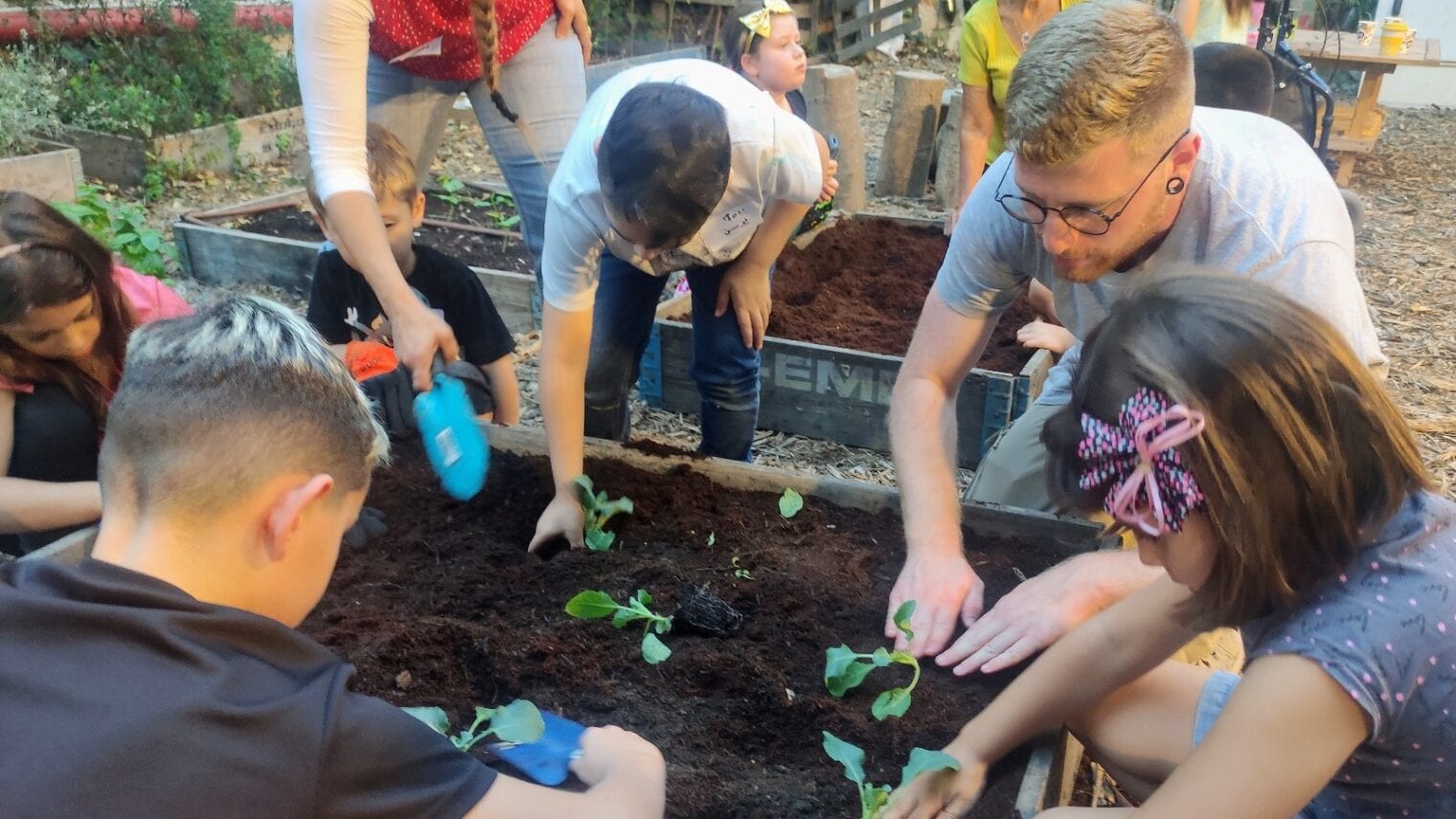
The bicultural teams of volunteers monitor for signs of any tensions bubbling below Nof HaGalil’s peaceful surface.


From 7 to 10 o’clock every night since the start of the current war, a couple of civilian patrol teams cruise the streets of Nof HaGalil in northern Israel. 

Inside each car with a flashing orange light on top are two Arab residents and two Jewish residents. They are determined to keep the peace in their mixed city of about 42,600. 
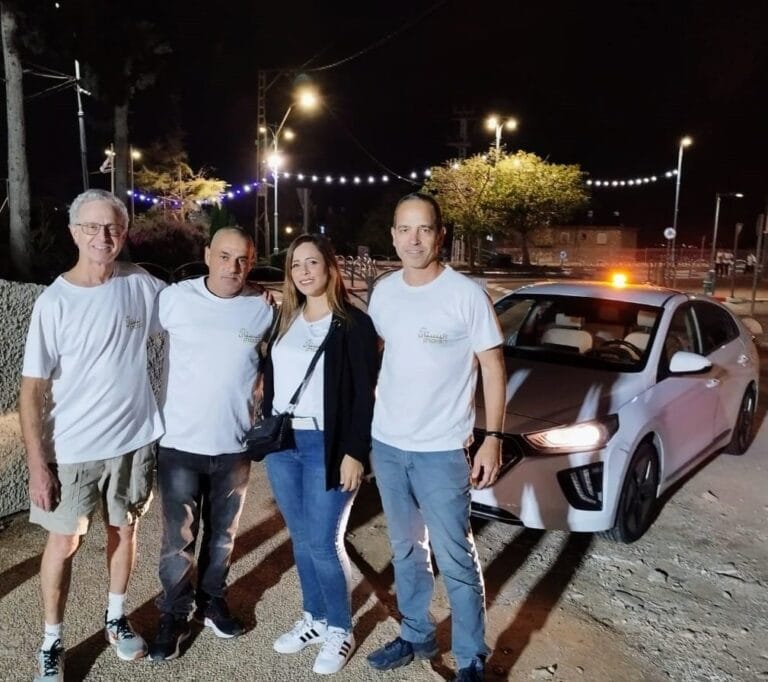
From left, Bustan night patrol volunteers Haim Friedman, Josef Majdalani, Ranin Matar and Dan Segal. Photo courtesy of Dan Segal

Located just north of Nazareth, Nof HaGalil prides itself on friendly relations between its Jewish majority and its approximately 30-40 percent Muslim and Christian Arab population.

The patrol teams – volunteers range in age from 30 to 75 — know that war could bring out any tensions bubbling below this peaceful surface.

War doesn’t discriminate

War threatens not only Israel’s Jewish majority but also its Arabs — from Bedouins in the south to Druze in the north, from Muslim and Christian Israelis to residents of Palestinian Authority-controlled territories. 

Missiles and terrorists from Gaza don’t discriminate between ethnicities or faiths. 

But within that indiscriminate danger lies another potential danger: fears, prejudices and differences in outlook, opinion and allegiance. 

In the May 2021 conflict with Gaza, these differences ignited deadly violence in mixed cities such as Acre and Lod. The civilian patrol in Nof HaGalil monitors for signs of anything similar developing these days.

“We have had no incidents that need reporting to the police. The streets are quiet and we hope and pray it stays that way,” says Dan Segal, one of the founders of the five-year-old Bustan (Orchard) initiative in Nof HaGalil run by the nonprofit Tikkun Center for Gathering, Education, and Social Change.

Bustan grew out of the warm feelings engendered by the Sukkah of Hope that local Arab dentist Khalil Bakly and his wife, maxillofacial surgeon Reem Bakly, built at their Nof HaGalil home for the Jewish holiday of Sukkot in 2017. All residents were welcome.

“Over 1,000 people came to my home on that holiday,” Khalil Bakly tells ISRAEL21c.

“I understood at that moment that we Arabs and Jews have a big potential for working together. We started with two Arabs and two Jews, and then decided to form an organization later called Bustan. Today, hundreds of people in Nof HaGalil are taking part in our activities.”


A shared city

Segal says the vision of Bustan is to transform Nof HaGalil from a mixed city to a shared city. 

“A shared city is where positive daily interactions between Jews and Arabs occur, where cultural resources are distributed fairly, and there is a shared feeling of pride and wellbeing,” he explains. 

“We also seek to drive conceptual changes regarding multicultural society. We develop shared civil leadership, introduce multiple occasions for encounters for Arabs and Jews in our city, and act against racism.”

Bustan sponsors indoor and outdoor events focused on art, music, hiking, sports, archeology, female empowerment, language courses, nonviolent communication, theater, emergency response courses, leadership training and more. 

“We have nearly 1,000 individuals participating in our activities yearly and about 100 committed activists and volunteers,” says Segal. 

“We are planning stress-relieving activities during this time, as well as a social-media campaign to be focused on messages of unity and cooperation. Around the city, you’ll see huge billboards about unity but they’re only in Hebrew and we want them in both languages to show we are together in this.”

Interactions in and out of the car

The nightly safety patrols have raised general awareness of Bustan’s urban community network.
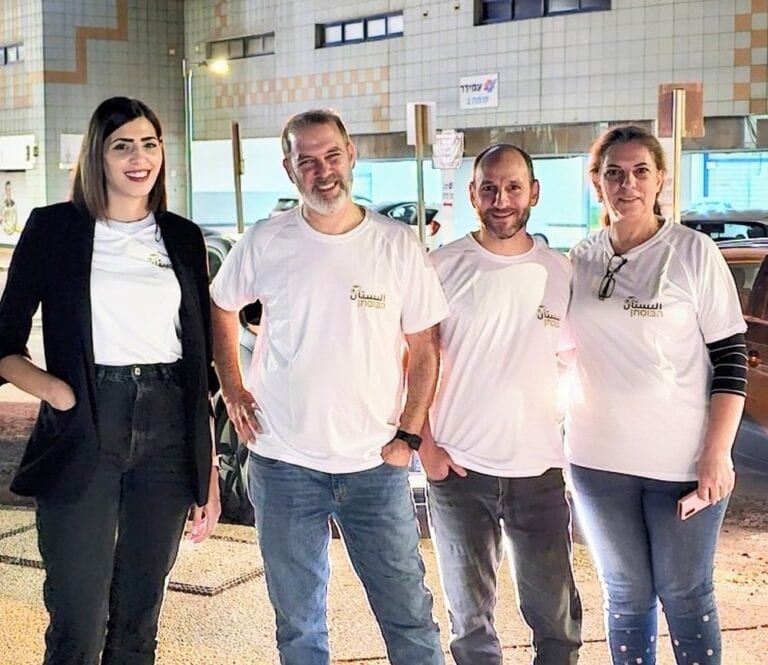
From left, Bustan night patrol volunteers Janan Awad-Elias, Ofer Kimchi, Uri Nitzav and Omaima Ramadan. Photo courtesy of Dan Segal

“When we see a group of people as we’re driving, we stop and get out of the car and speak to them to explain what we are doing and the purpose of the Bustan,” says Bakly. 

“We ask them their feelings, we ask if they are afraid, and would they like to join us. Some people already know about our activities. If not, we explain more and give them a cup of tea or coffee and biscuits. 

“We want to encourage them to feel safe in our city and understand we are Arabs and Jews together in each car.”

A sense of security for all

Segal says these interactions between Bustan members and the public are just as important as the monitoring. 

“People see we are a mixed team and have trouble understanding why. This is part of changing outlooks for a shared society. We believe that what we do gives a sense of security,” he says.
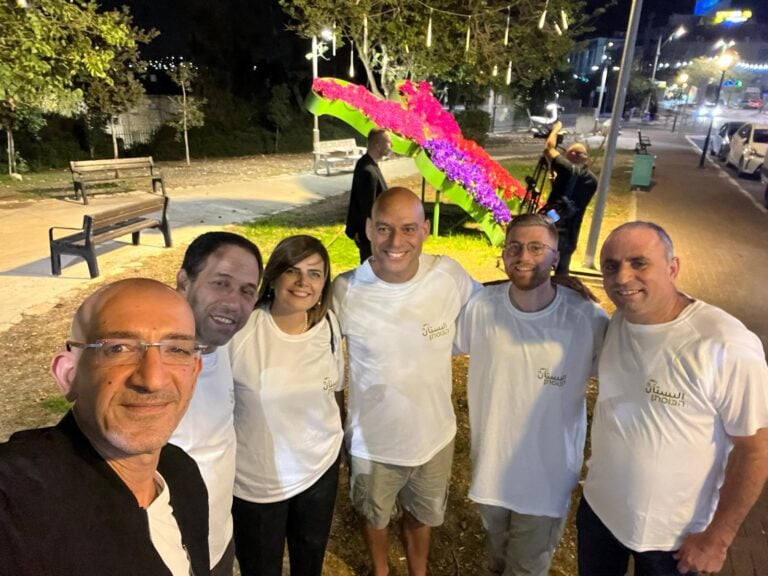
From left, Dr. Khalil Bakly and other members of a night patrol: Tal, Alexandra, Nir, Ronen and Nabeel. Photo courtesy of Dr. Khalil Bakly

“The other thing is interactions that take place in the car among our volunteers. Some of the people didn’t know each other before. We have had dozens of people joining Bustan just for the patrols – it’s been a great way to recruit new members,” Segal adds.

“Last week we had an activity for families in the community garden. Many who didn’t know about us before joining the patrol came to that activity too.” 

Segal says Bustan also is committed to fostering dialogue between local leaders of different religious communities to establish greater trust.

Some 70 Nof HaGalil residents attended a first-aid class recently offered by Bustan with the municipality and Magen David Adom. 

Segal says the group has “a track record of establishing partnerships between Jewish and Arab residents around emergencies” and stands ready to mitigate any negative consequence to the war.

“We will react to any outbreak of violence by visiting victims of racism or violence, to publicly express solidarity with them as we did in May 2021,” he vows. 

For more information, click here. 

Details
Written by: Naama Barak
Read Time: 5 mins

The Arab dentist drilling coexistence into his hometown

https://www.israel21c.org/

Dr. Khalil Bakly leads a coexistence group that encouraged hundreds of people to denounce violence in favor of a shared life between Arab and Jews.

Dr. Khalil Bakly has two dental practices: one in Nazareth, where he treats a mostly Muslim clientele, and one in Netanya, where most of his patients are Jewish.

As such, he was privy to multiple voices and opinions surrounding the conflict that recently engulfed Israel, as violence erupted between Israel and the Gaza Strip and, in some cases, between Israel’s Jewish and Arab communities.

Read more: The Arab dentist drilling coexistence into his hometown

Details
Written by: Judy Maltz
Read Time: 11 mins

Mixed Cities Were Burning All Over Israel Last Month, but Not This One. Here's Why

haaretz.com

Not a single Jewish-Arab clash was reported in the mixed northern Israeli city of Nof Hagalil last month as mobs rioted elsewhere. Locals say it was no fluke, but that more work must be done to improve Jewish-Arab relations


Mixed Cities Were Burning All Over Israel Last Month, but Not This One. Here's Why
Not a single Jewish-Arab clash was reported in the mixed northern Israeli city of Nof Hagalil last month as mobs rioted elsewhere. Locals say it was no fluke, but that more work must be done to improve Jewish-Arab relations

Read more: Mixed Cities Were Burning All Over Israel Last Month, but Not This One. Here's Why

Details
Written by: יצחק סולומון
Read Time: 1 min

אפשר גם אחרת

ידיעות הגליל


הבוסתן בנוף הגליל הוא מיזם של תושבים יהודים וערבים המתגוררים בעיר, שמוכיחים כי יהודים וערבים יכולים לחיות בשלום ובאחווה * חברי הבוסתן השתתפו בעשרות פעילויות למען הקהילה המקומית * אחד המייסדים, ניר סירקין: "אנו בונים חיים משותפים בנוף הגליל ומטפחים זהות וגאווה מקומית"
 
 
פעילות משותפת של יהודים וערבים בבוסתן
 

מאות מתושבי נוף הגליל כבר השתתפו בפעילות "הבוסתן" – מיזם של חיים משותפים שהוקם על ידי קבוצת של תושבי העיר ולו שותפים יהודים וערבים.

ניר רובין סירקין, תושב נוף הגליל ואחד מהמייסדים, מספר מה הביא אותו את חבריו ליזום את הבוסתן: "המוטיבציה הראשונית שלנו בהקמת הבוסתן הייתה הרצון להקים קהילה של תושבי נוף הגליל ולחזק את תחושת השייכות שלנו לעיר. שנית כל, הרצון להיפגש עם כל מי שחי בעיר הרב-תרבותית המעניינת שלנו, יהודים וערבים, חילוניים מסורתיים ודתיים, עולים וותיקים, צעירים ומבוגרים. מאז אנו בונים חיים משותפים בנוף הגליל ומטפחים זהות וגאווה מקומית. בחרנו בשם "הבוסתן" משום שזהו מקום שעצים שונים גדלים בו יחד ונותנים פרי. וכך אנו רוצים שיהיו העיר והקהילה שלנו – מקום לצמוח בו יחד מתוך השונות".

קהילת "הבוסתן" מארגנת אירועים ומפגשים קהילתיים, מצמיחה מנהיגות מקומית משותפת ומקיימת קורסים וקבוצות עניין. רבות מהפעילויות מתבצעות בשותפות עם העירייה ורשת המרכזים הקהילתיים. יותר מ-700 תושבי נוף הגליל השתתפו בפעילות הבוסתן בשנה שעברה.

"חיים משותפים הם עבורי דרך חיים, שבה אני מנסה להכיר את האחר, את הזהות שלו, ההעדפות שלו והייחודיות שלו. לכן בתור תושבת נוף הגליל בחרתי להצטרף לבוסתן ולהיות פעילה בחבורה שמובילה אותו", מספרת אומיה נסראללה זריק, עובדת בכירה במשרד הבריאות. "החיים המשותפים חייבים להתבסס על קשר בין שווים. זה לא עניין של אוכל, שתיה וחגיגות, אלא היכרות מעמיקה עם הצרכים של האחר וגם עשייה משותפת לשינוי המציאות".

עם פרוץ משבר הקורונה התגייסו עשרות מתנדבי "הבוסתן" לטובת אוכלוסיות בסיכון לתחלואה ומשפחות המצויות במצוקה חברתית. "לא ניסינו להמציא את הגלגל", מספר רובין סירקין, "אנחנו יודעים שנעשית עבודה מצוינת בעיר על ידי מחלקת הרווחה של העירייה, רשת המרכזים הקהילתיים, עמותת נעל"ה של משה גרוסמן ועלמ"ה-העמותה למען הקשיש. פנינו אליהם ואמרנו: 'אנחנו לרשותכם. באנו לעזור לכם בפעילות המבורכת שאתם עושים'".

הבוסתן גייסה יותר מ-50 מתנדבים תושבי העיר, ערבים ויהודים, אשר ארזו וחילקו אלפי חבילות מזון למשפחות נזקקות. הם קיימו רשת עזרה הדדית של תושבים בה עשו קניות והביאו תרופות לאנשים בסיכון שלא יכלו לצאת מביתם. עורכי דין חברי הבוסתן נתנו בהתנדבות שעות ייעוץ משפטי. מתנדבים מהבוסתן סייעו בהפעלת יריד הבגדים של עמותת נעל"ה שהתקיים בקיץ. להערכתו של רובין-סירקין, כ-2200 תושבי העיר קיבלו סיוע ממתנדבי הבוסתן מאז פרוץ משבר הקורונה. הם ממשיכים להתנדב, ובוודאי נראה אותם בפעילותם המבורכת גם בסגר הקרוב.

המפגש הבין-אישי בין המתנדב לאדם שמקבל ממנו סיוע מורידה חומות של סטריאוטיפים, ניכור וגזענות, ומקרבת בין המגזרים בעיר.  "לבסוף מעז יצא מתוק. הקורונה לא מבדילה בין דת, גזע ולאום, ולכן הפתרון ההגיוני הוא שילוב כוחות עם ערבות הדדית ואכפתיות בין אדם לאדם", אומר ד"ר ח'ליל בקלי ממובילי פעילות ההתנדבות, "ברור לחלוטין שהתקופה הזאת מאתגרת וקשה לכולנו, וחייבים לעבוד יחדיו", הוא מסכם, "מאחל לכולנו להדבק בשותפות הגורל, הצדק החברתי והשוויון, מול האויב המשותף –הקורונה, ומול הגזענות".

ניבין ראשד  כבר סייעה לעשרות משפחות כמנדבת של הבוסתן: "כולם שואלים למה את עושה את זה", היא מספרת, "אז אני עונה: פשוט כי כולנו בני אדם. האנשים שאני עוזרת להם הם אמא ואבא של מישהו, והיו יכולים להיות הוריי. אני תמיד האמנתי שדו-קיום וחיים משותפים אפשריים. צריך רק לב ונשמה והמון אמונה ואהבה". והיא משתפת בסיפור קטן: "ריגש אותי ממש שרכשתי תרופות לשני מבוגרים והבאתי אותן לביתם. גיליתי ששניהם ניצולי שואה. למדתי וראיתי סרטים על השואה, וכמה סבלו האנשים שסיכנו את חייהם לעזור להם להינצל. כשזה הגיע עד אליי, לחלק הקטן הזה שיכולתי לעזור, זה ממש ריגש אותי עד אין סוף".

"עבורי הבוסתן הוא נס"

"מזלי שבזכות האמונה וההתמדה מצאתי את עצמי בקהילה של חברים שמאמינים ועושים לקידום חיים משותפים בין יהודים וערבים בעיר- הבוסתן שמה", מספר ראובן גרינשטיין, תושב ותיק בעיר. "הבוסתן" חשפה בימים קשים אלו, של הכרח בשמירה על ריחוק חברתי, את האדם הסולידרי שבכל אחד. עבורי הבוסתן הוא נס. בימים קשים אלו החברים מתגלים בשיא האנושיות שלהם. מקווים שנוכל לחזור לחיים סדירים יותר והקשר בינינו רק ילך ויתחזק".

בתקופת הקורונה לא פסקו המפגשים הקהילתיים של הבוסתן. הם עברו לזום. אחד האירועים האלה היה ערב "טד" מתוצרת מקומית, במסגרתו אקדמאים תושבי העיר שיתפו את הציבור בתחום המחקר והפיתוח שלהם. "היה לנו חשוב להראות שיש כאן בעיר הון אנושי מצוין. אנשים איכותיים ומובילים בתחומם. שיש לנו במה להיות גאים כתושבי העיר", אומר ניר רובין סירקין, ומספר כי הערב זכה להצלחה רבה.

"בערב "טד" הרגשתי פתאום חלק מקהילת 'הבוסתן' שחיה בנוף הגליל ומעמיקה את ההיכרות בין תושביה", מספרת עביר ארשיד, אחת משלושת המרצים בערב, כולם תושבי העיר. "הרגשתי גאווה לראות תושבים בעיר שלי שחוקרים תופעות פיזיקליות, חינוכיות וחברתיות, ושמים לנגד עיניהם את התרומה לחברה".

יערה אלף-דקל, אחת מעשרות המשתתפים, נהנתה מאוד: "הערב עסק בנושאים מאוד רלוונטיים וחשובים. שמחה להיות שותפה בקהילה בה ערביות ויהודיות, ערבים ויהודים, מלמדים זה את זה, ודנים ביחד בתחומים שונים שמרכיבים את חיינו".

ניר רובין סירקין מסכם: "לכבוד ראש השנה אני רוצה לברך את תושבי נוף הגליל והאזור, בשנה של חברות, נדיבות ושכנות טובה. מי ייתן, ונוכח מציאות של בידוד וריחוק חברתי, נדע להתקרב, לתמוך זה בזה ולשבור את חומות הניכור בין חלקיה השונים של החברה".

Page 2 of 3

  • 1
  • 2
  • 3